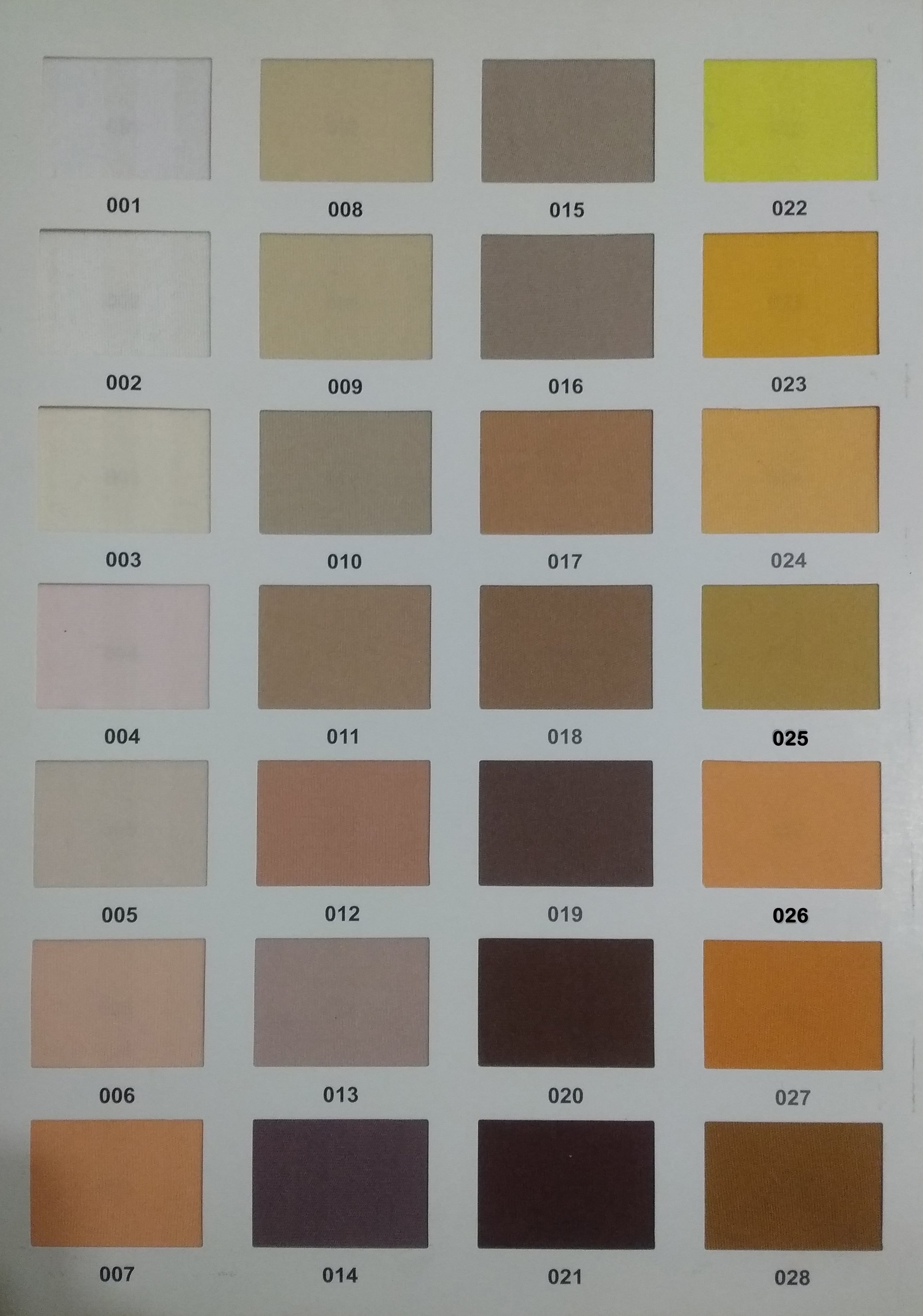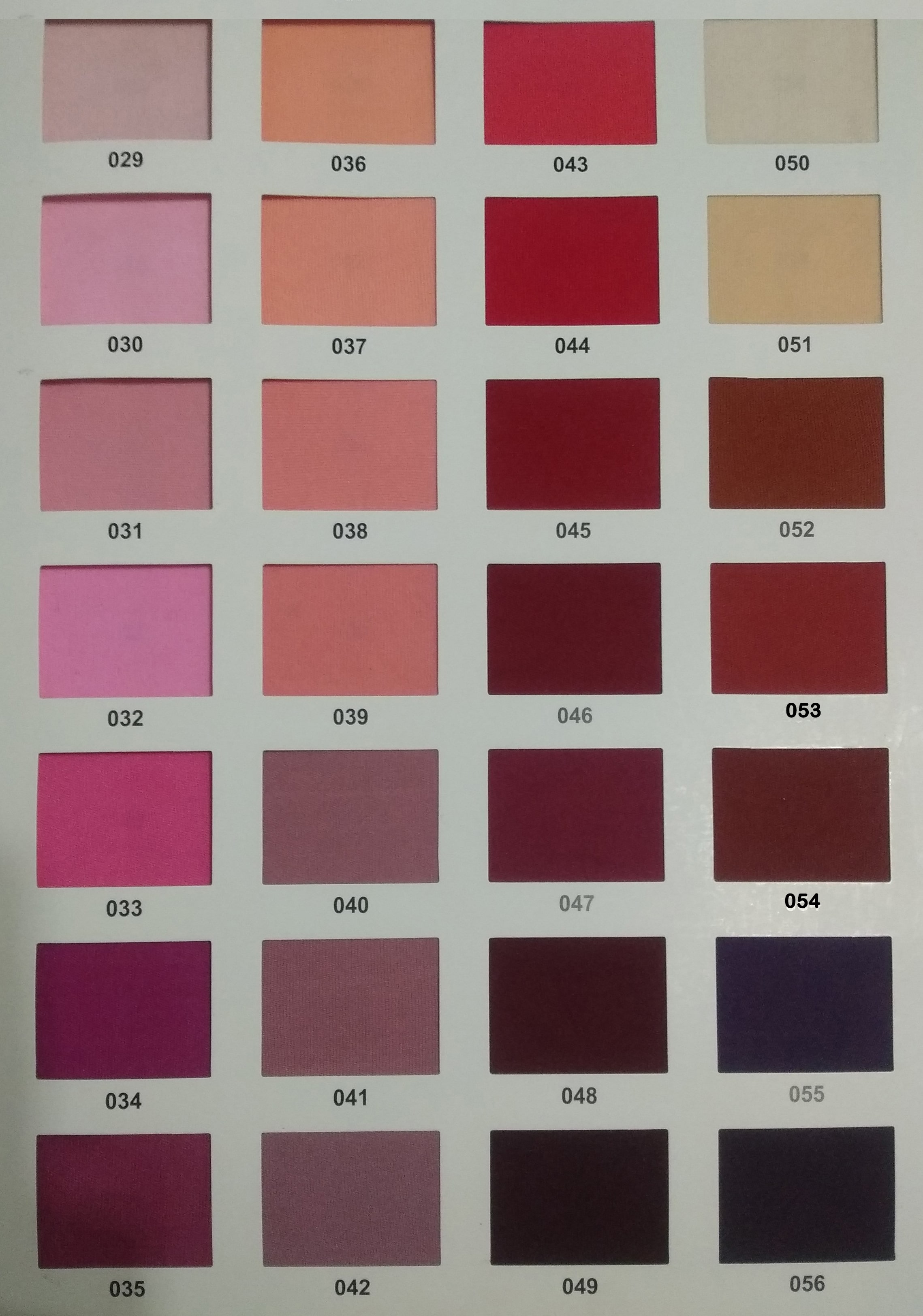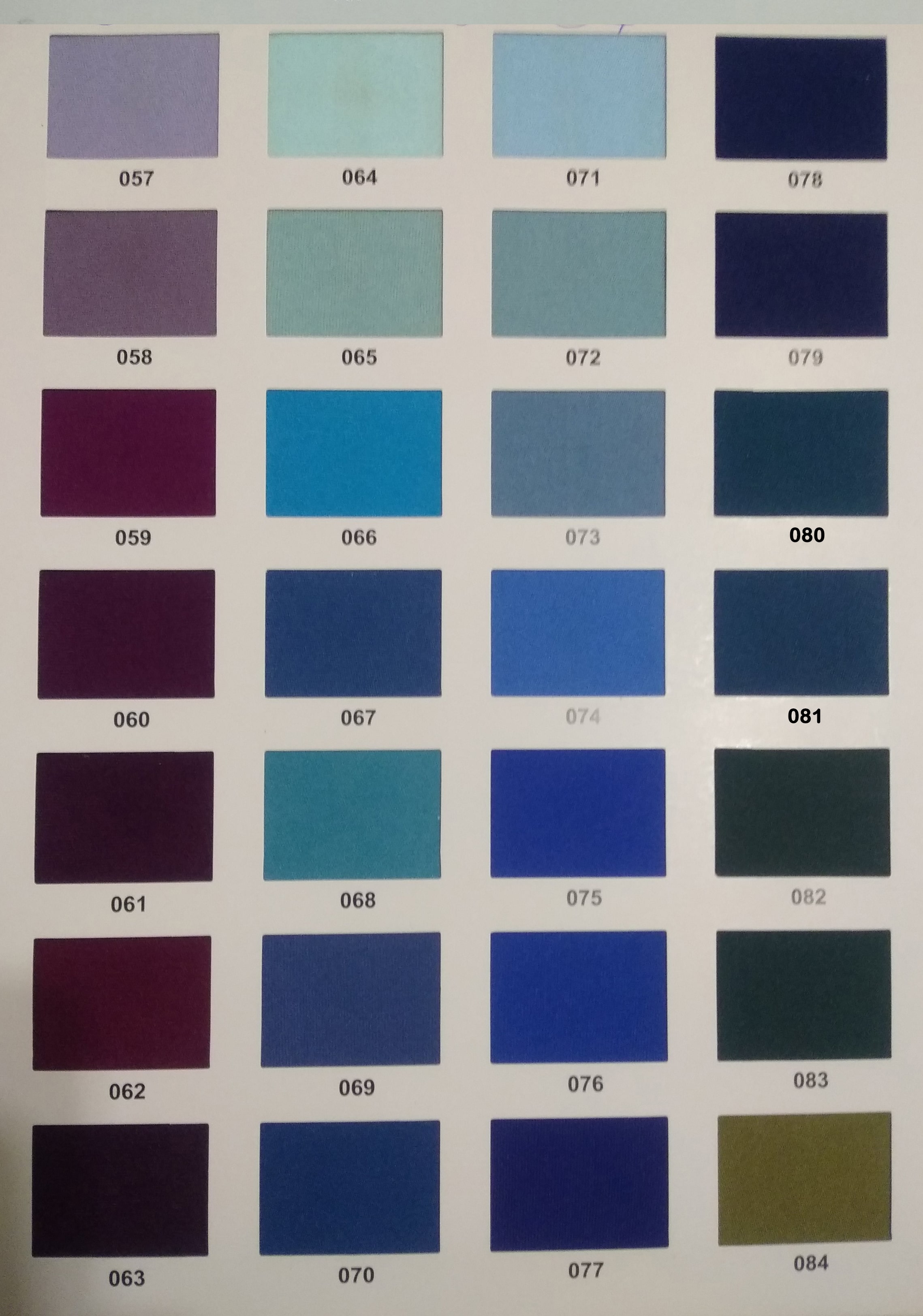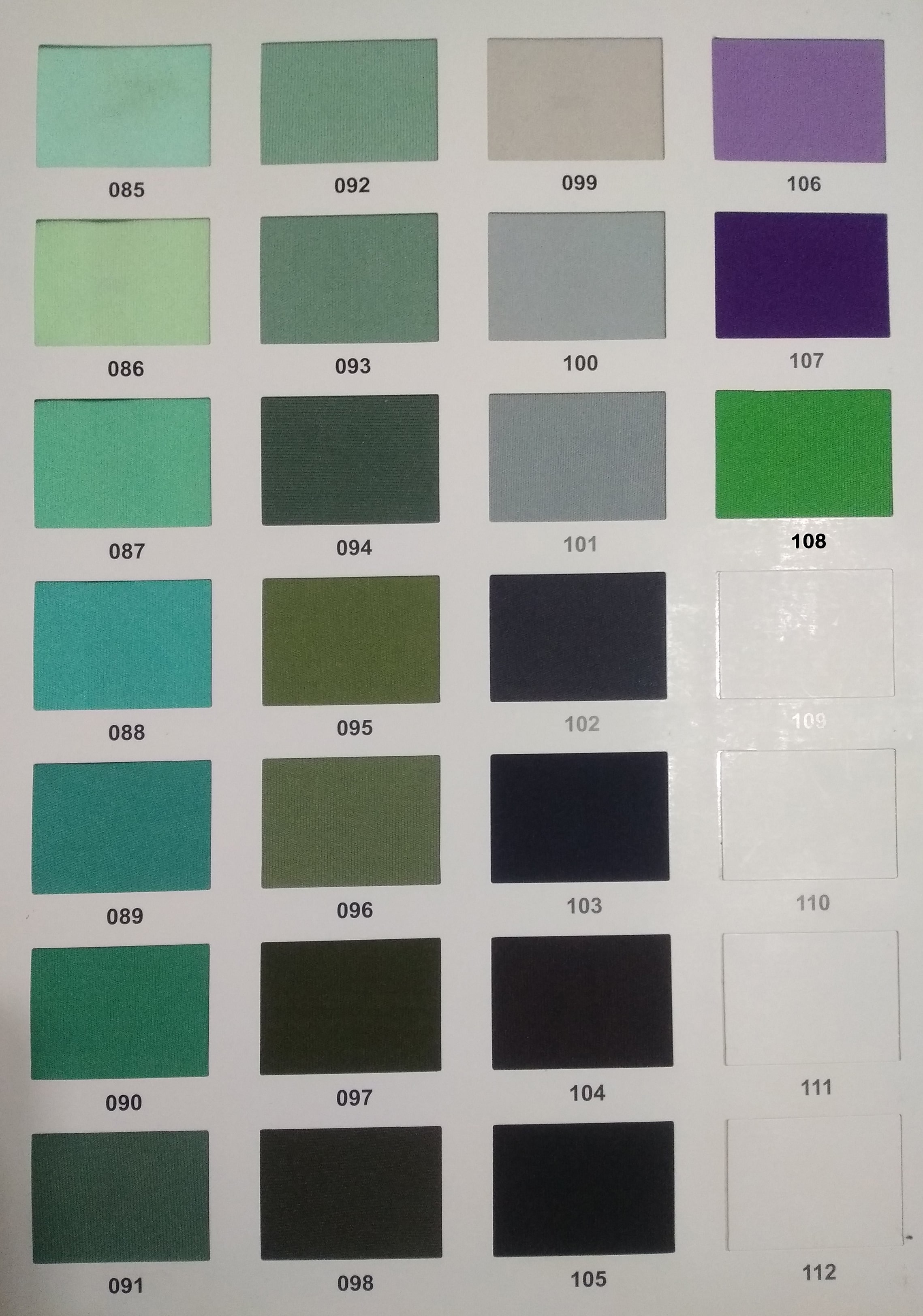
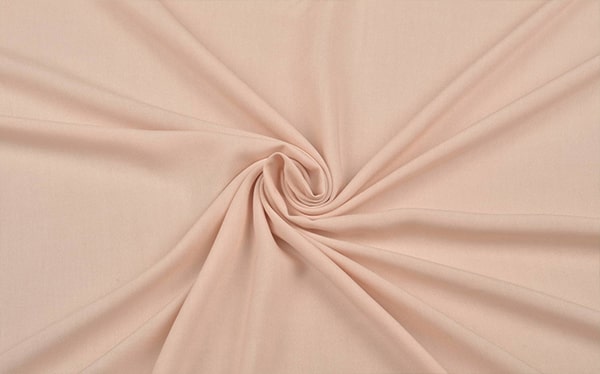
Viscose is a semi-synthetic fiber produced from a naturally sourced raw material. It is classified as a regenerated cellulose fiber, as it is derived from natural cellulose but processed chemically into a fiber form. The main raw material is typically beech wood, although cellulose from other types of wood can also be used.
Like cotton, viscose is composed of pure cellulose. During production, cellulose is chemically dissolved into a viscous solution and then regenerated back into fiber form (either filament or staple fiber). Although it undergoes chemical processing, the final structure remains fundamentally cellulose-based.
For this reason, viscose shares many similarities with cotton, while also offering some enhanced performance characteristics.
PRODUCTION PROCESS (TECHNICAL OVERVIEW)
- Cellulose is extracted from natural wood pulp
- It is dissolved using chemical solutions to form a viscous liquid
- This solution is extruded through fine spinnerets to form fibers
- The fibers are regenerated and solidified into filament or staple form
This controlled process results in uniform, smooth, and consistent fibers.
PHYSICAL AND MECHANICAL PROPERTIES
Moisture Absorption
One of the strongest properties of viscose is its high moisture absorbency:
- Normal moisture regain: 11–14%
- Can absorb up to 80–120% water due to swelling capacity
Compared to cotton, viscose has even higher moisture absorption. This provides:
- Excellent sweat absorption
- High breathability
- Skin-friendly comfort
Strength and Durability
- Dry strength: Lower than cotton
- Wet strength: Significantly reduced
- When wet, strength decreases by 40–70%
Therefore, viscose fabrics require more careful handling during washing and use.
Elasticity and Elongation
- Elongation: 15–30%
- Approximately twice as stretchable as cotton
This gives viscose better drape and fluid movement.
SURFACE AND HAND FEEL
- Extremely soft and silky touch
- Smooth, fluid, and flowing structure
- Slightly slippery surface
- Excellent skin compatibility
- Very comfortable for direct wear
Due to its smooth fiber structure, viscose fabrics have a uniform and refined appearance.
DYEING AND PRINTING PERFORMANCE
Viscose has excellent dye affinity due to its high absorbency:
- Easily absorbs dyes
- Highly suitable for printing processes
- Produces bright, vivid, and rich colors
This makes it highly preferred in fashion applications where color intensity is important.
APPLICATION AREAS
Viscose fabrics are widely used due to their comfort and aesthetic qualities:
Apparel
- Blouses
- Shirts
- T-shirts
- Dresses
- Skirts
- Women’s underwear
Lining and Technical Use
- Lining fabrics
- Lightweight structured garments
Home Textiles & Decoration
- Curtains
- Decorative fabrics
Special Uses
- Fabrics requiring shine and elegance
- Crepe fabrics
- Knitted fabrics
BLENDED APPLICATIONS
Viscose is often blended with other fibers to improve performance:
- Cotton + Viscose: Comfort + balance
- Polyester + Viscose: Durability + aesthetics
- Linen + Viscose: Natural look + softness
- Wool + Viscose: Warmth + drape
These blends help balance the weaknesses of viscose while enhancing its advantages.
ADVANTAGES
- Cellulose-based natural origin
- High moisture absorption
- Breathable structure
- Soft and comfortable
- Excellent drape
- Bright and vivid color results
- Skin-friendly
DISADVANTAGES
- Low strength when wet
- Prone to wrinkling
- Requires careful washing
- May deform under improper handling