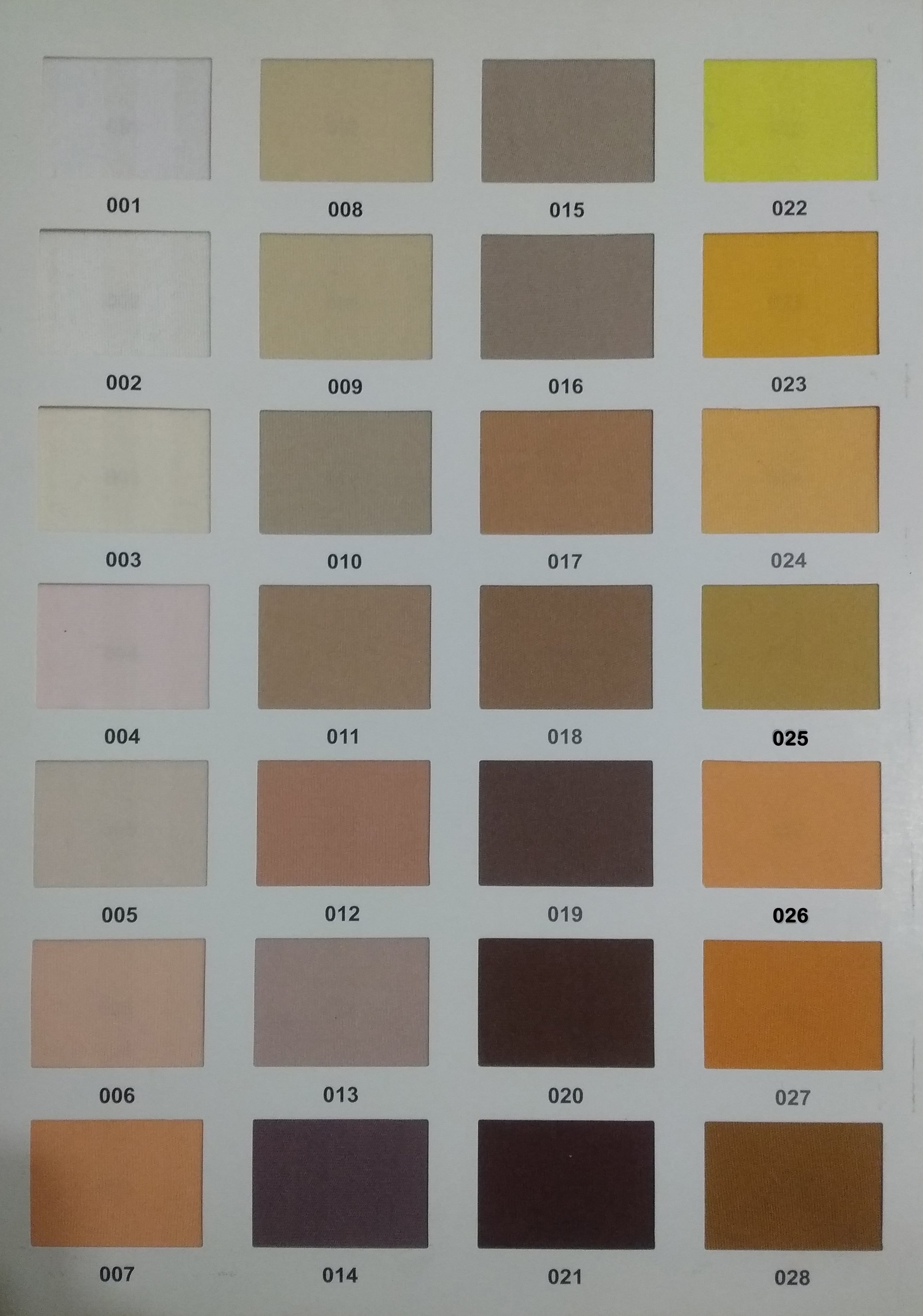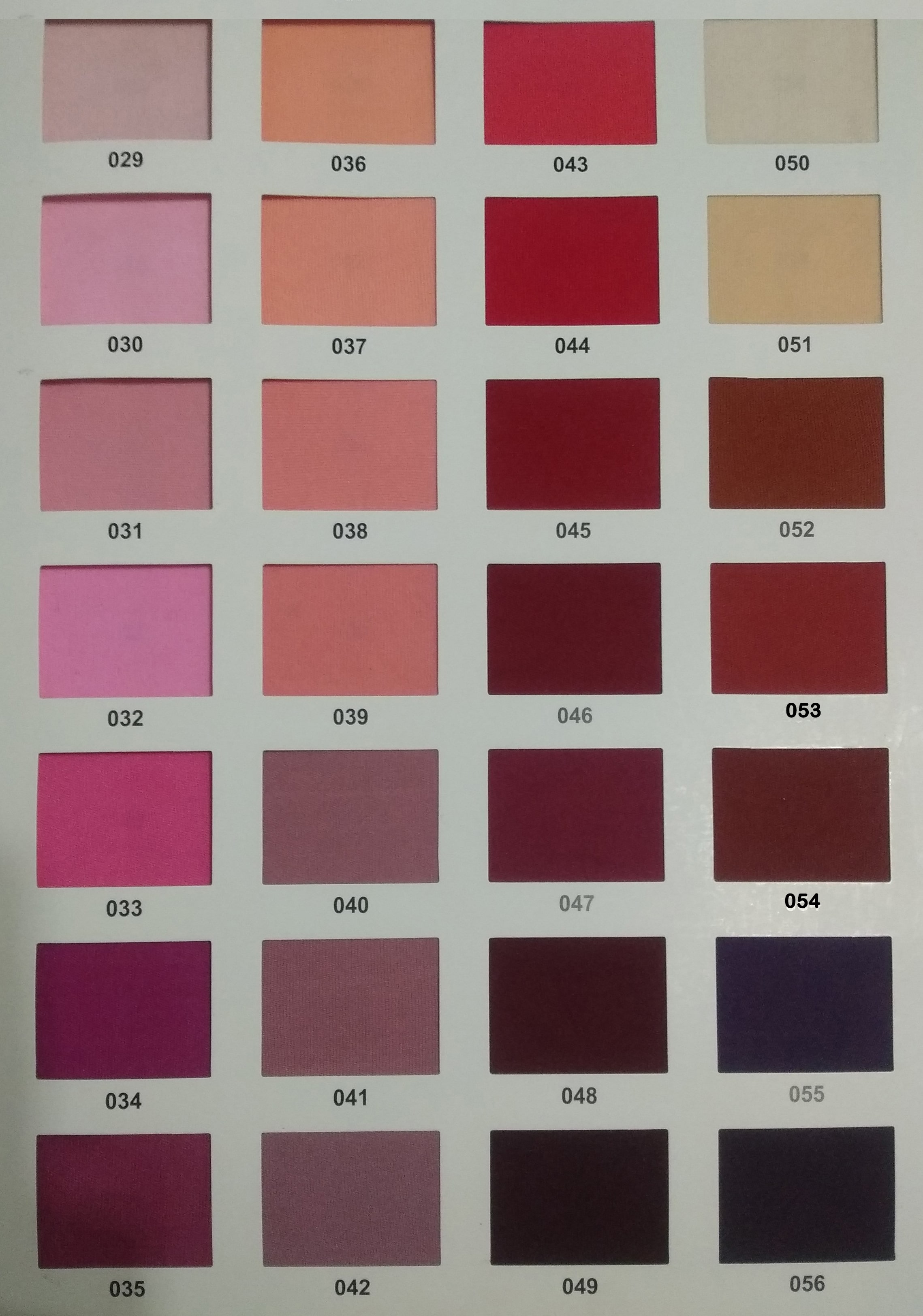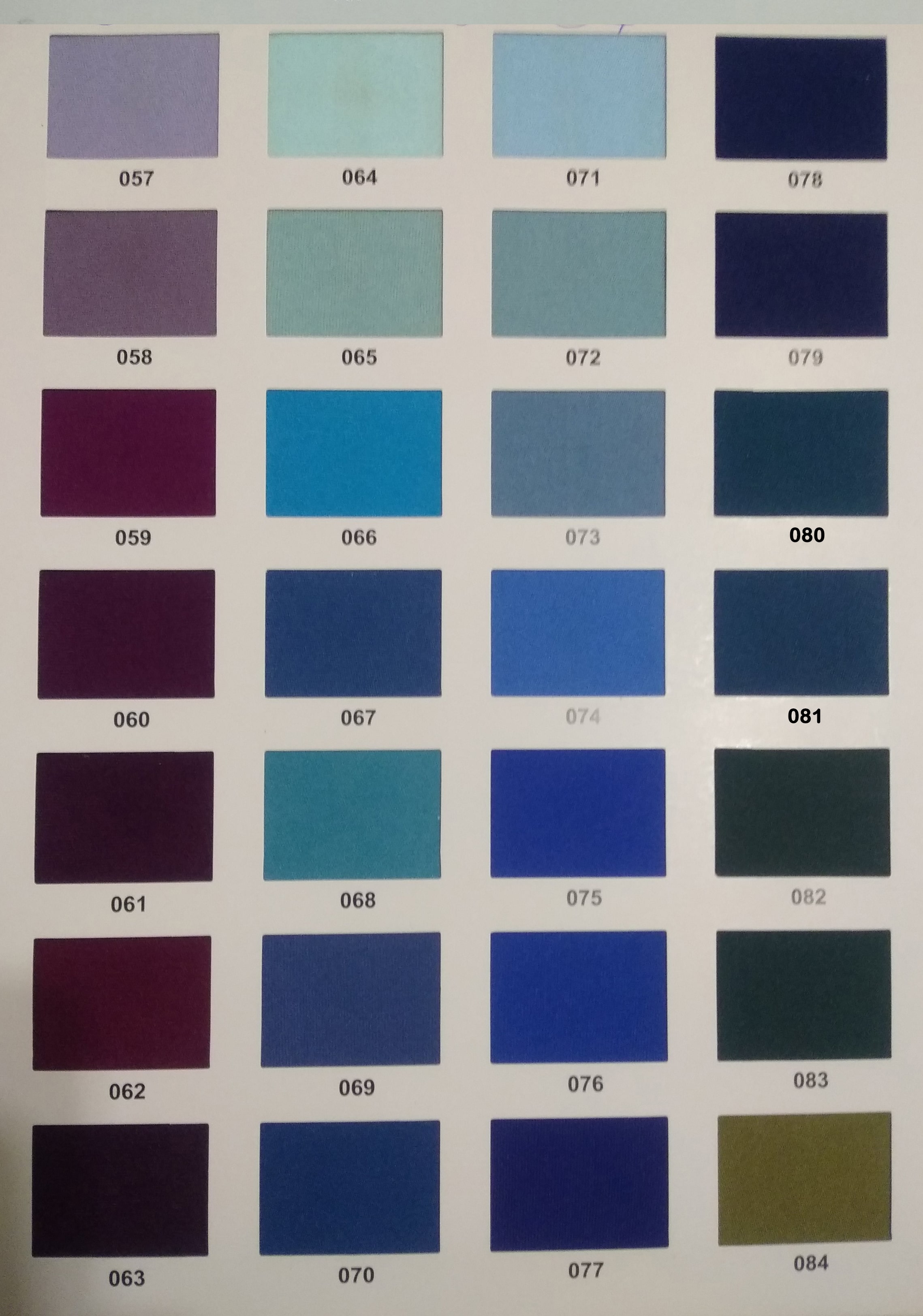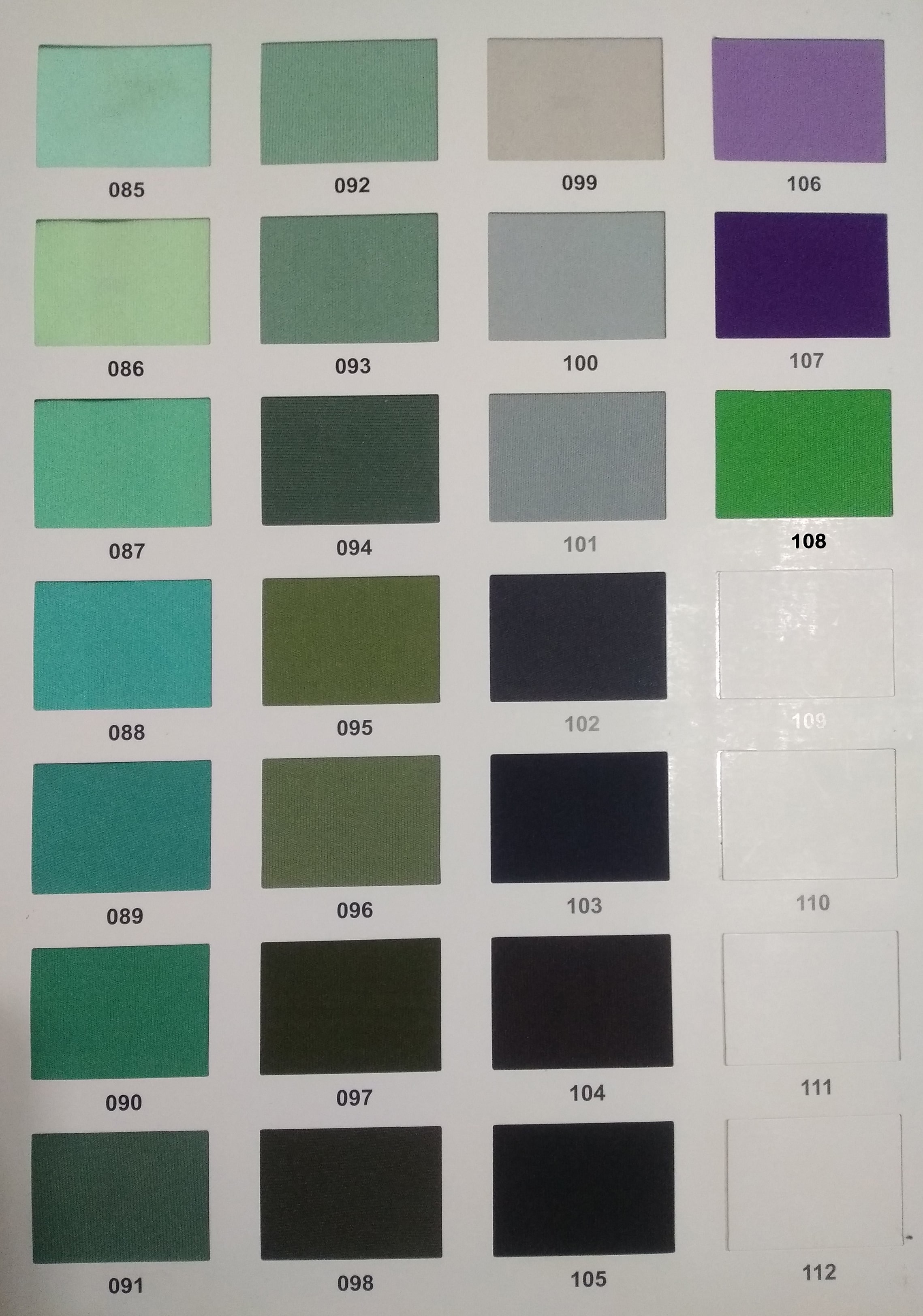
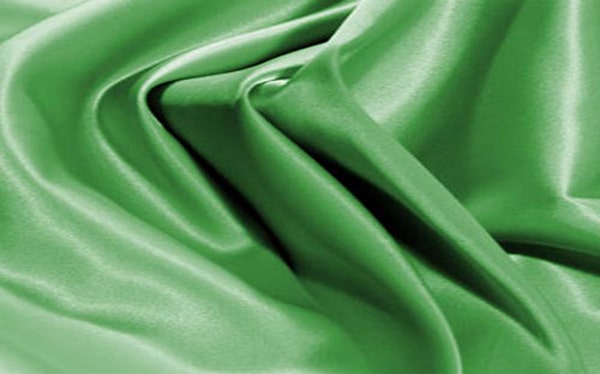
Satin fabric is a type of textile produced using a specific weaving technique, characterized by a smooth, glossy, and soft surface. Satin is not a fiber or yarn type, but rather a weave structure. This structure creates long floats on the surface, giving the fabric its distinctive shine and silky feel.
In satin weave, warp and weft yarns are arranged in a way that minimizes their intersections. This allows light to reflect evenly across the surface, resulting in a bright and lustrous appearance. One of the key characteristics of satin is the minimal number of interlacing points, which differentiates it from other weave types.
Typically, satin fabrics have one glossy side and one matte side, providing both aesthetic and functional versatility.
TECHNICAL PROPERTIES
- Surface: Smooth, soft, and slippery
- Handle (Touch): Silky, fluid, and soft
- Luster: High light reflection and shine
- Drape: ممتاز / Excellent drape and flow
- Density: Varies depending on weave tightness
- Durability: Depends on fiber content
- Breathability: High in cotton-based satins, lower in synthetics
TYPES OF SATIN BY FIBER CONTENT
Satin fabric can be produced from different fibers, which directly affect its performance:
- Silk Satin:
The highest quality satin type. Offers natural shine, superior softness, and a luxurious appearance. Commonly used in evening wear, dresses, and premium shirts. - Polyester Satin:
More economical and durable. High shine with good wrinkle resistance. Widely used in mass production and fashion industry. - Cotton Satin (Sateen):
Breathable due to natural fiber content. Provides a balanced matte-shiny look. Commonly used in shirts, pajamas, and home textiles. - Viscose / Modal Satin:
Provides a silky touch and excellent drape. Soft and skin-friendly. - Elastane (Lycra) Satin:
Adds stretch and flexibility. Ideal for fitted garments.
SATIN WEAVE VARIATIONS
- Classic Satin:
Standard smooth and glossy surface - Crepe Satin:
One side glossy, the other side slightly textured and matte - Dull Satin:
Less shiny, softer visual effect - Stretch Satin:
Contains elastane for flexibility - Loose Satin:
Lightweight and more fluid structure
APPLICATION AREAS
Due to its aesthetic and functional qualities, satin fabric is widely used in:
- Evening dresses and formal wear
- Shirts and blouses
- Lingerie, nightwear, and sleepwear
- Scarves and accessories
- Home textiles (bed linen, pillowcases, etc.)
- Stage costumes and fashion collections
ADVANTAGES
- Luxurious and elegant appearance
- Soft and skin-friendly surface
- Excellent drape
- High shine
- Versatile production with different fibers
DISADVANTAGES
- Slippery structure may make sewing difficult
- Some types wrinkle easily (especially silk)
- Lower-quality versions may pill
- May require delicate care