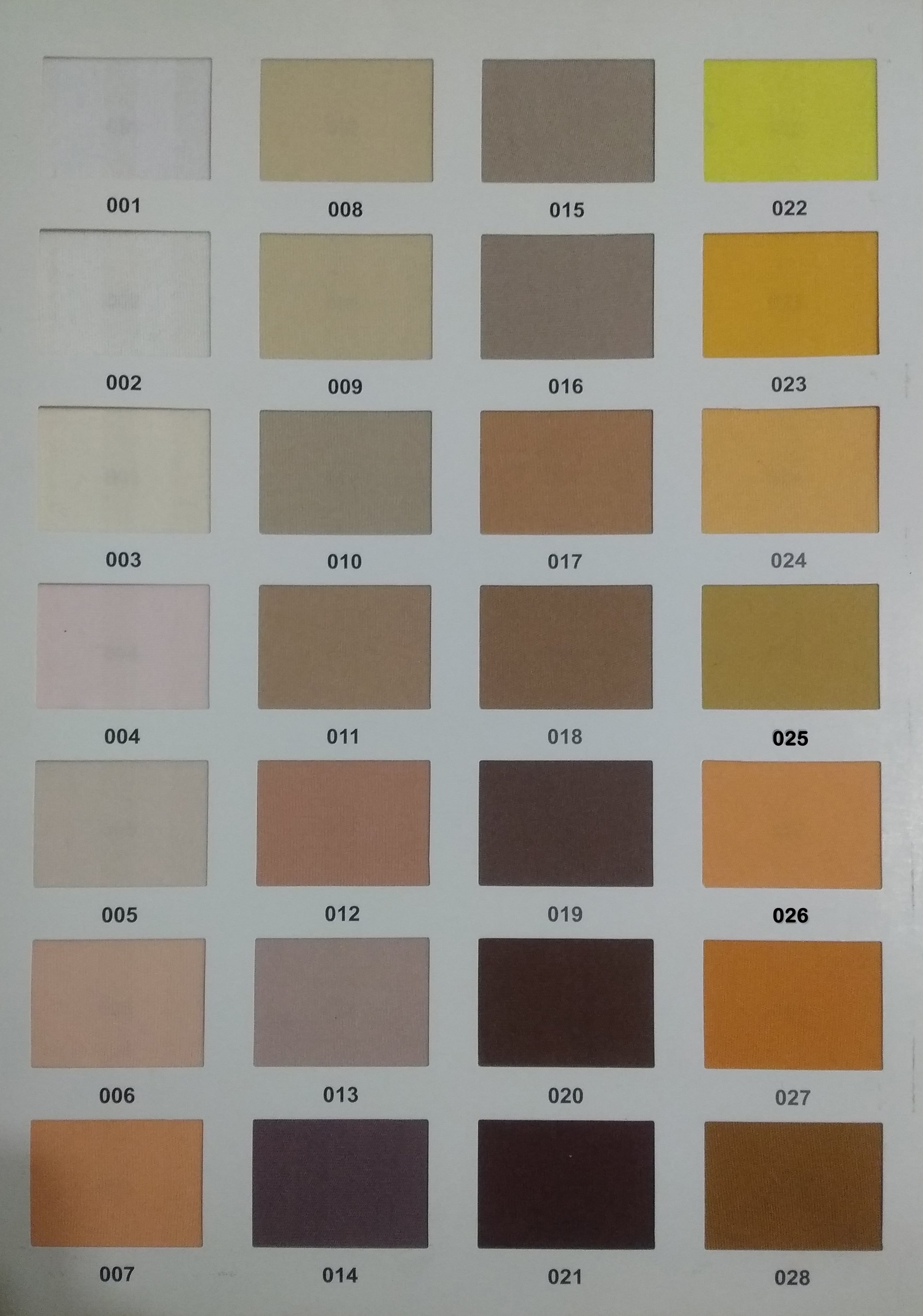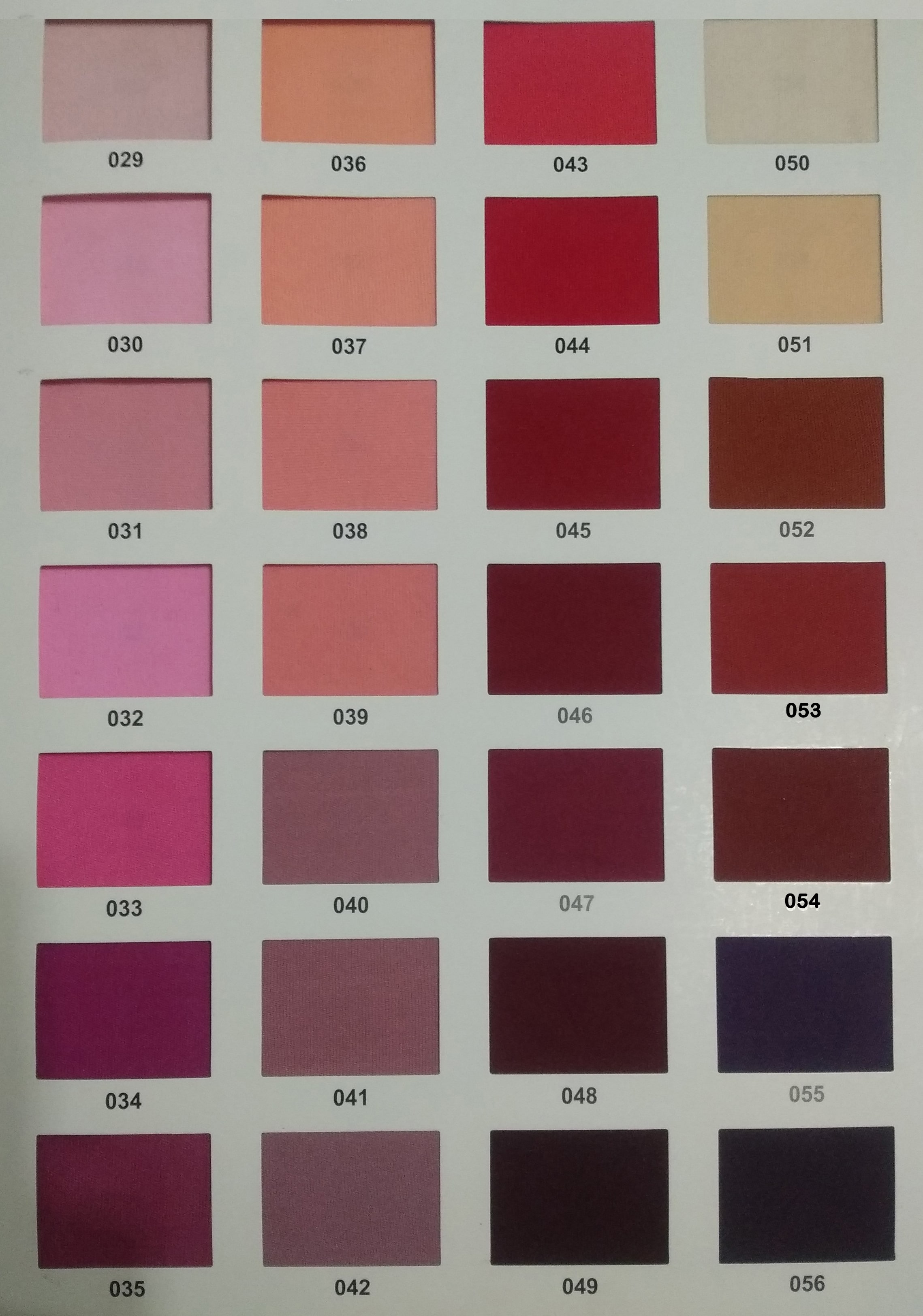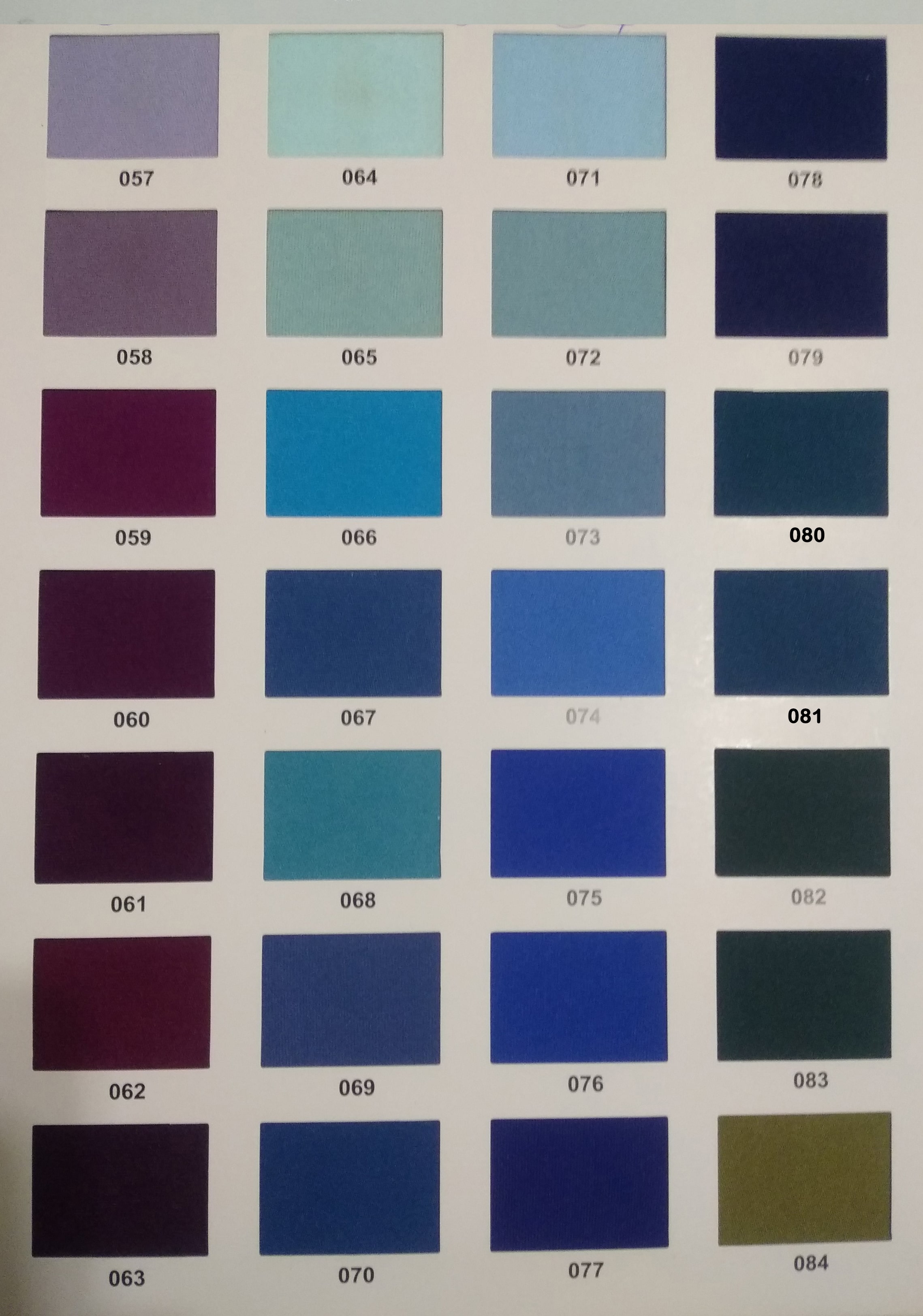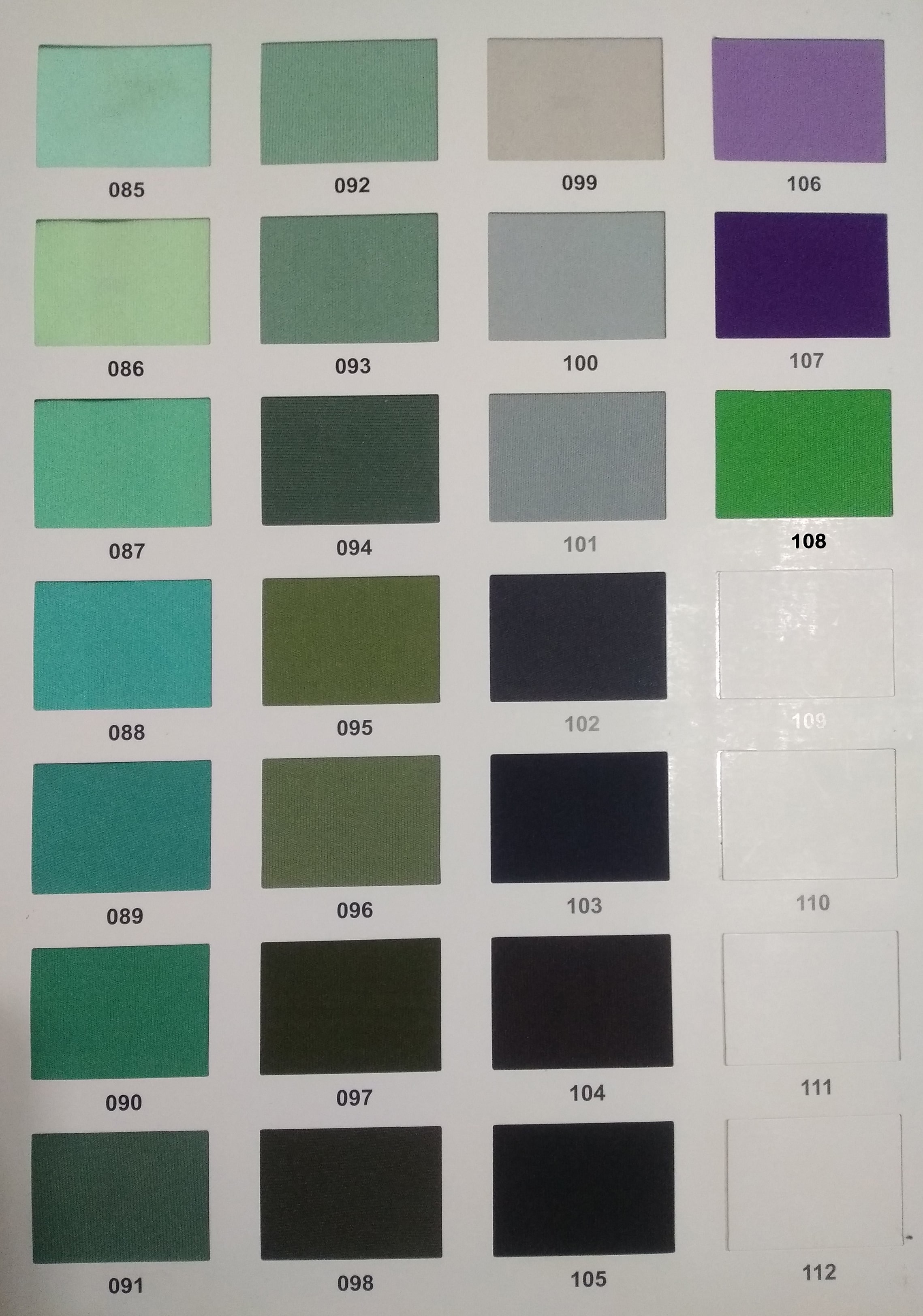
Organic fabric refers to textile materials produced without any chemical pesticides, synthetic fertilizers, insecticides, or harmful additives throughout the entire production process. The main raw material of organic fabrics is organic cotton yarn.
Organic cotton is grown without the use of conventional agricultural chemicals that are commonly applied in standard cotton farming. In traditional cotton production, a large amount of pesticides is used to protect the crop from insects; however, many of these chemicals can remain in the fiber and create potential health risks in textile products. Organic cotton eliminates these risks completely.
WHAT IS ORGANIC COTTON?
Organic cotton is produced from cotton plants grown under strict conditions:
- Without chemical pesticides
- Without synthetic fertilizers
- Using natural farming methods
- In compliance with certified organic agriculture standards
Since cotton is highly vulnerable to pests, conventional farming often relies heavily on chemicals. In organic farming, this is replaced with natural protection methods and ecological balance systems, ensuring a cleaner and safer raw material.
WHAT IS ORGANIC FABRIC?
Organic fabric is a textile material produced from certified organic cotton yarn, where every stage of production is strictly controlled and certified.
To be considered truly organic, not only the raw material but also the entire production chain must be certified:
- Yarn spinning
- Dyeing process
- Finishing treatments
- Fabric production
If even one stage is not certified, the product cannot be considered 100% organic. This is known as “organic integrity break” in the supply chain.
TECHNICAL AND HEALTH BENEFITS OF ORGANIC FABRIC
Organic fabrics offer significantly healthier properties compared to conventional textiles:
- Highly breathable structure
- Prevents excessive sweating
- Helps regulate body temperature naturally
- Skin-friendly and hypoallergenic
- Free from chemical residues
- Naturally soft and comfortable texture
Because of these properties, organic fabrics are widely used in health-focused and sensitive-skin applications.
HEALTH & COMFORT ADVANTAGES
Organic fabrics are especially preferred for their wellness benefits:
- Anti-allergic structure
- Suitable for asthma and sensitive skin
- No chemical irritation risk
- Natural fiber comfort
- Safe long-term skin contact
These features make organic textiles one of the safest fabric categories in the industry.
WHY CHOOSE ORGANIC FABRIC?
Choosing organic fabric is not just a textile decision, but also a lifestyle and sustainability choice:
- Safe for human health
- Environmentally friendly production methods
- Protects soil and water resources
- Supports sustainable agriculture
- Aligns with premium and conscious fashion trends
PRODUCTION FLEXIBILITY (100 GSM – 600 GSM RANGE)
Organic fabrics can be produced in a wide range of weights depending on the end use:
- Lightweight fabrics: 100 – 160 GSM (T-shirts, light garments)
- Medium weight fabrics: 160 – 300 GSM (sweatshirts, everyday wear)
- Heavyweight fabrics: 300 – 600 GSM (hoodies, outerwear, premium garments)
This flexibility allows organic fabrics to be used across both summer and winter premium collections.
CERTIFICATION REQUIREMENTS
To achieve true organic status, the entire production chain must be certified:
- From farming stage (cotton field)
- Yarn production
- Dyeing and finishing processes
- Fabric manufacturing
- Final garment production
If any step is not certified, the final product cannot be labeled as 100% organic, even if the raw cotton is organic.
APPLICATION AREAS
Organic fabrics are widely used in premium and health-focused textile segments:
- Baby and children’s clothing
- T-shirts and sweatshirts
- Loungewear and underwear
- Sportswear
- Home textiles (bedsheets, pillowcases, etc.)
CONCLUSION
Organic fabric is one of the healthiest, cleanest, and most sustainable textile solutions in the modern industry.
Thanks to its chemical-free production process, it ensures:
- Better human health protection
- Lower environmental impact
- Strong sustainability value
- Premium brand positioning
For fashion brands, organic fabrics provide:
- Strong eco-friendly brand identity
- Access to conscious consumer markets
- Long-term trust and product value
- Competitive advantage in premium segments