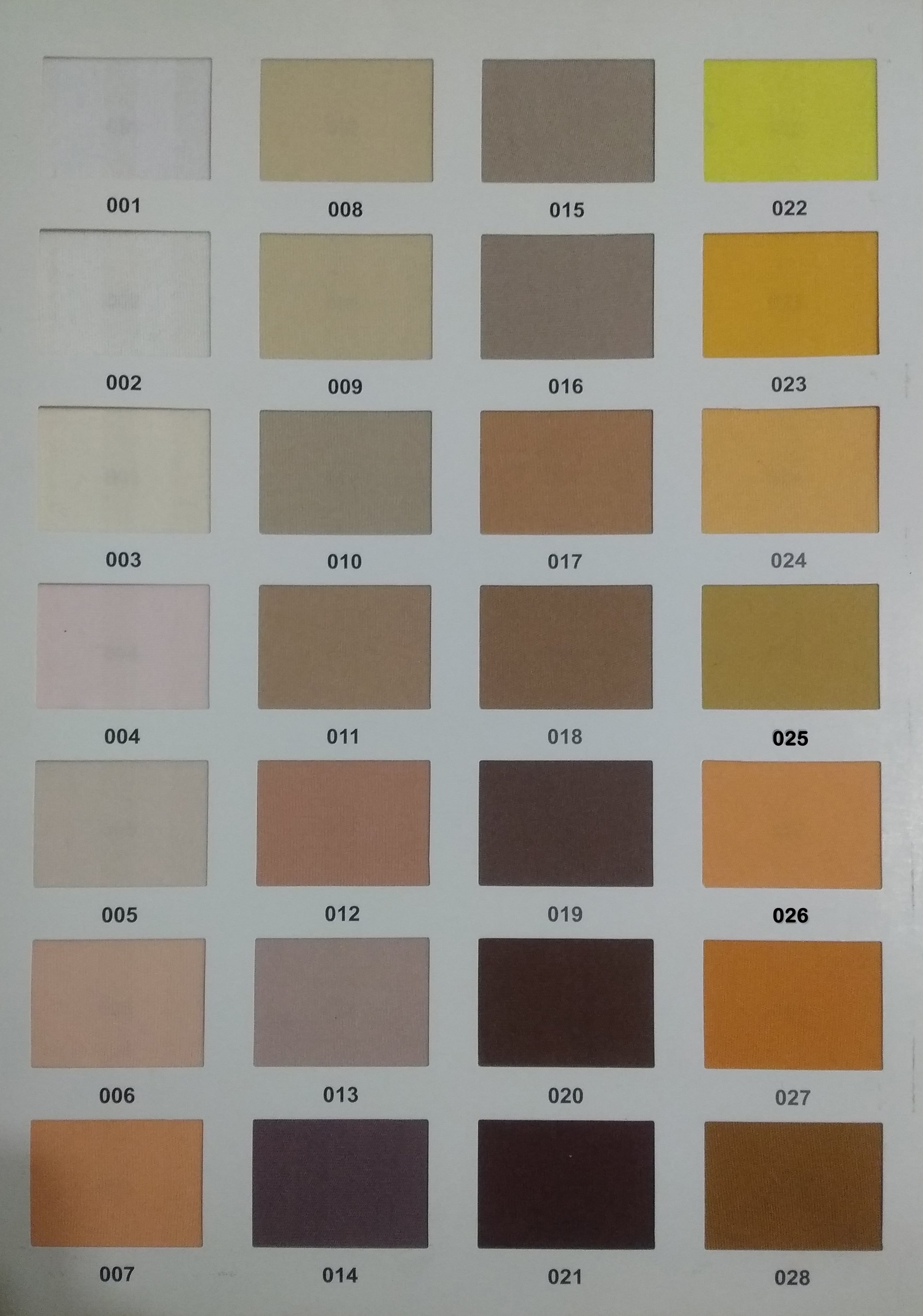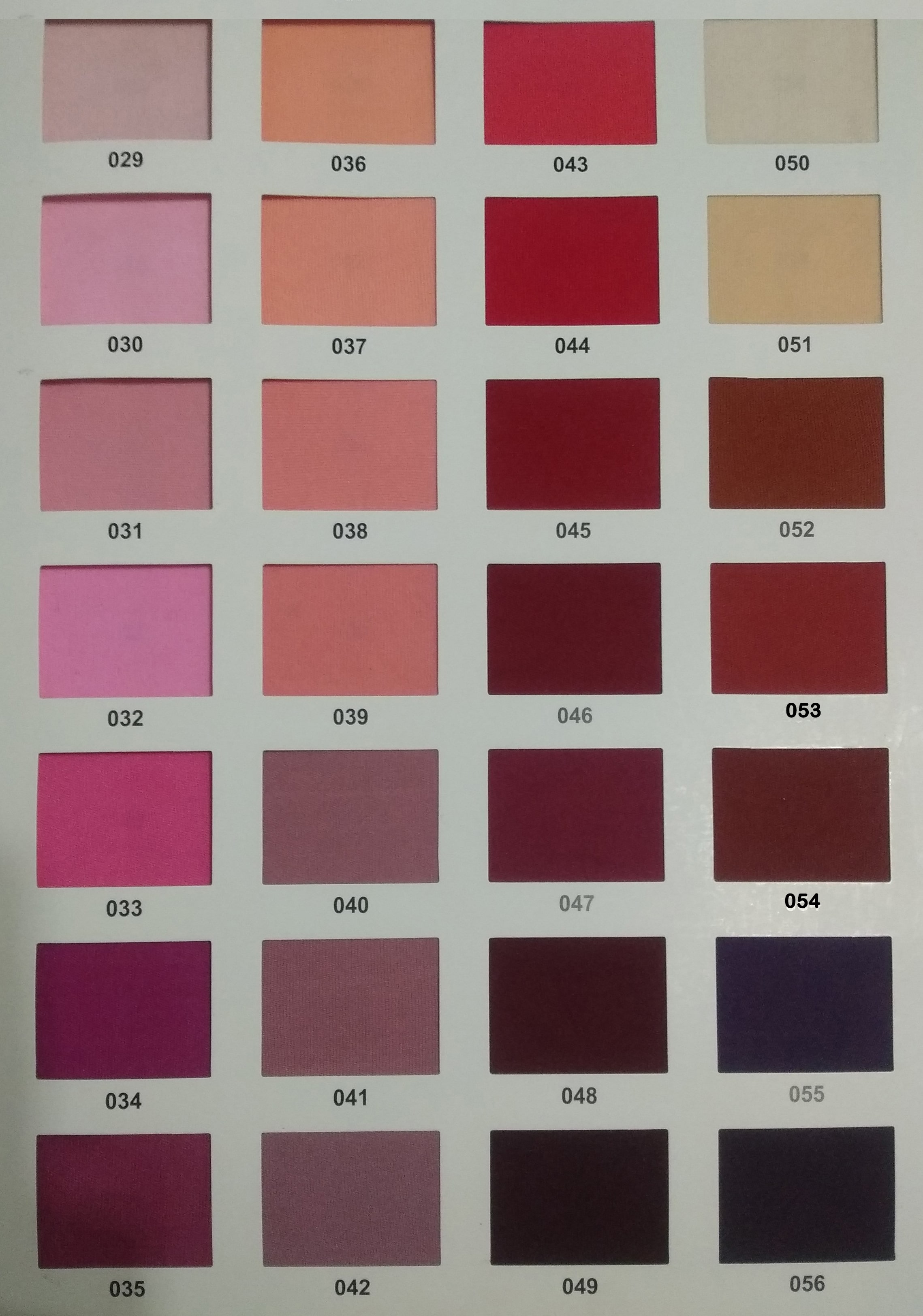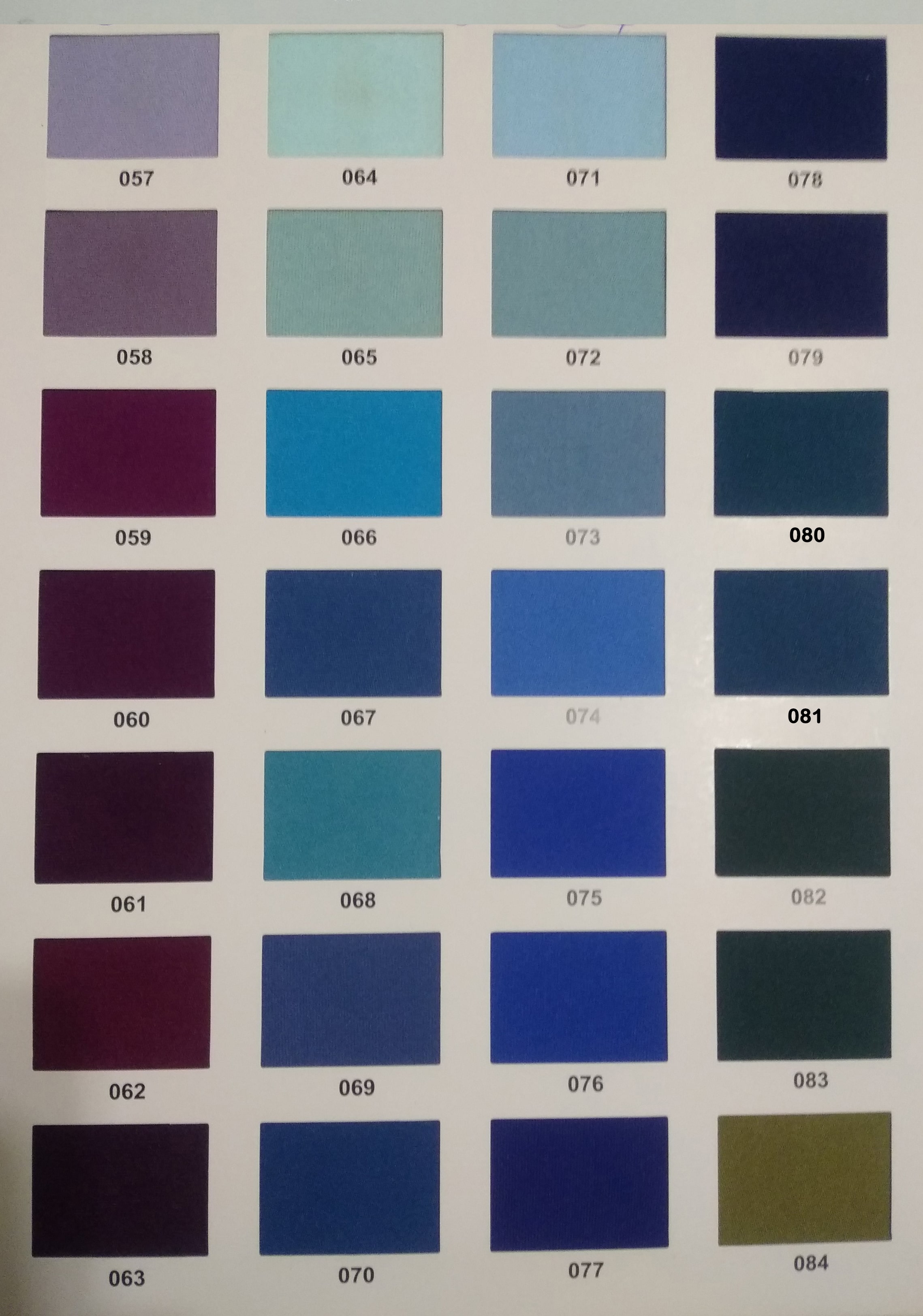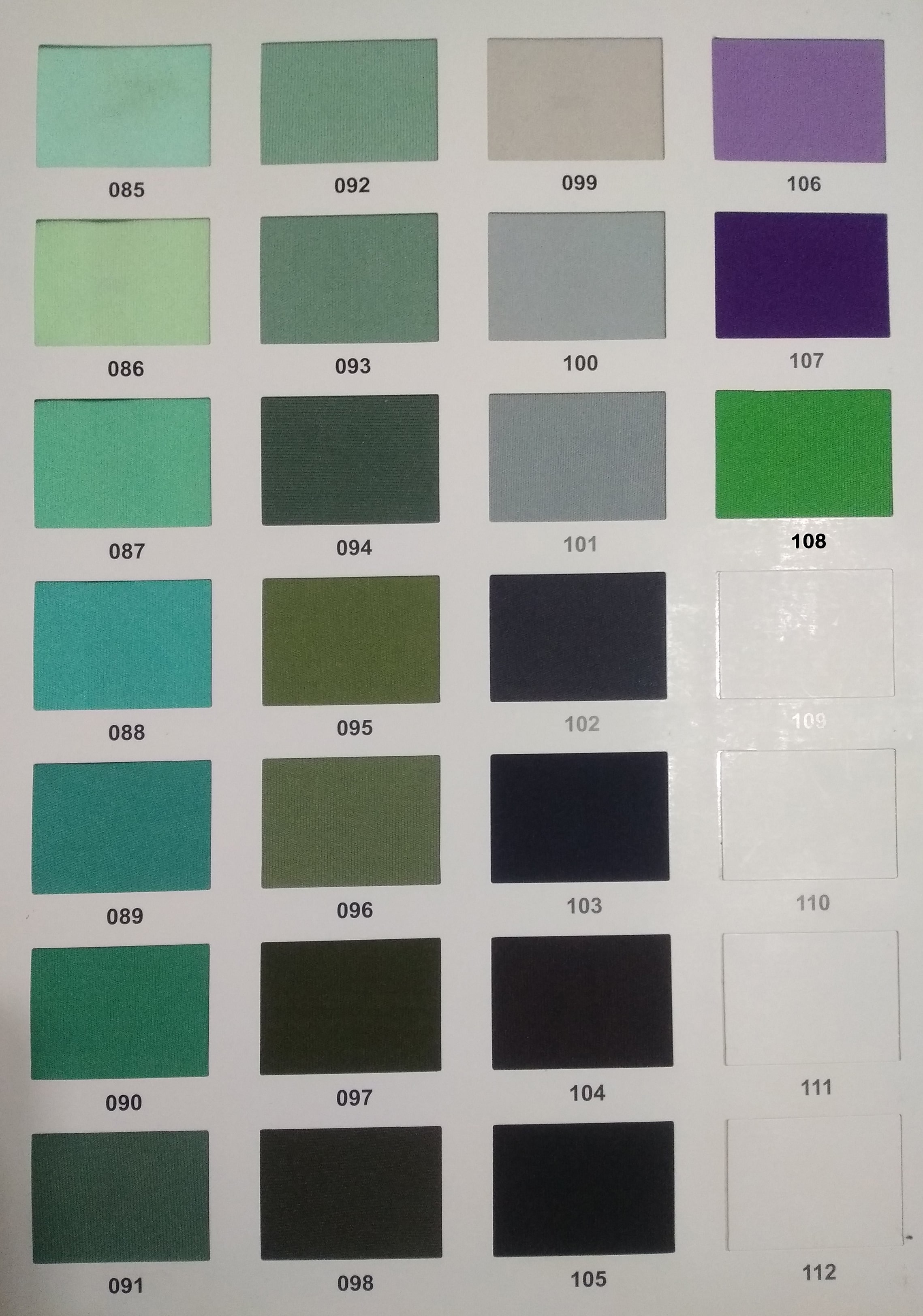
Hemp fabric is one of the oldest and most durable textile raw materials in the world, produced from natural fibers extracted from the stems of the Cannabis Sativa L. plant. The hemp stalk consists of two main layers:
- Outer layer: Long, strong fibers used for textile production
- Inner layer: Woody core used in biofuel and industrial materials
The textile fibers are separated from the outer layer, processed, and spun into yarn. Historically, hemp fibers were the first choice for sails, ropes, and durable fabrics due to their exceptional strength.
WHAT IS HEMP FABRIC? (TECHNICAL & NATURAL STRUCTURE)
Hemp fabric has a natural structure similar to cotton, but it is significantly stronger and more durable. Because of its long, strong, and flexible fiber structure, hemp fabric is:
- Naturally durable
- Breathable
- Lightweight
- Long-lasting
- Skin-friendly
Hemp fabric is approximately 3 times more durable than cotton fabrics and maintains its structure over time.
TECHNICAL ADVANTAGES OF HEMP FABRIC
Hemp is considered a performance fiber in the natural textile world:
- Stronger than cotton
- Softer than canvas
- High abrasion resistance
- Resistant to pilling
- Dimensionally stable
- Long product lifespan
While a typical cotton T-shirt lasts around 5–10 years, hemp-based garments can last up to 3 times longer.
THERMAL COMFORT & MOISTURE MANAGEMENT
Hemp fibers naturally regulate body temperature:
- Balances body heat
- Keeps cool in warm climates
- Quickly wicks moisture away
- Maintains a dry and fresh feeling on the skin
This makes hemp fabric ideal for hot climates and active lifestyles.
ANTIBACTERIAL & HYGIENIC PROPERTIES
Hemp fabric naturally:
- Resists mold growth
- Reduces bacterial formation
- Minimizes odor retention
- Maintains a fresh feel for longer periods
These properties make it highly suitable for sportswear and everyday clothing.
SUSTAINABILITY & ENVIRONMENTAL IMPACT
Hemp fabric is considered one of the most sustainable textile materials in the world:
Water Consumption
- 1 kg cotton: ~20,000 liters of water
- 1 kg hemp: 300–500 liters of water
Chemical Usage
- Requires no pesticides or herbicides
- Has a natural pest-resistant structure
Soil & Agriculture Benefits
- Supports regenerative agriculture
- Improves soil health by balancing carbon and nitrogen
- Can increase next-crop yield by up to 25%
Carbon & Oxygen Impact
- A carbon-negative plant
- Absorbs large amounts of CO₂ from the atmosphere
- Produces more oxygen compared to forests of the same size
Zero-Waste Principle
Every part of the hemp plant is valuable and used in:
- Textiles
- Bioplastics
- Paper
- Automotive industry
- Construction materials
- Industrial products
APPLICATION AREAS OF HEMP FABRIC
Hemp fabric is widely used by brands focusing on durability and sustainability:
Apparel Industry
- Premium T-shirts
- Pants and jackets
- Dresses and skirts
- Baby and children’s clothing
- Outdoor and activewear
Key Benefits in Use
- High resistance to wear and tear
- Maintains shape after washing
- Long-term durability
- Natural and premium appearance
PRODUCTION PROCESS & CAPACITY
Hemp fabric production is a controlled and technical process:
- Production time: 6–10 weeks
- Woven production: minimum 1000 meters per color/quality
- Knitted production: minimum 200 kg per color/quality
Approximate output:
- 600 T-shirts (knitted)
- 700 shirts/pants (woven)
R&D DEVELOPED HEMP FABRIC QUALITIES
Hemp fabric has been engineered in multiple blend structures:
- BRT: 51% Hemp / 49% CLY – 195 GSM
- BOS: 43% Hemp / 57% Cotton – 340 GSM
- HIWT: 54% Hemp / 46% CLY – 185 GSM
- FRN: 80% Cotton / 14% Hemp – 205 GSM
- ZBT: 70% Hemp / 30% Cotton – 165 GSM
- SUPREM Viscose/Hemp: 90% Viscose / 10% Hemp – 145 GSM
- Vortex Cotton/Poly/Hemp blends
These engineered blends make hemp fabric:
- Softer
- More flexible
- More stable
- More fashion-adaptable
WHY HEMP FABRIC?
Hemp fabric is not just a textile material; it is a key element of the sustainable fashion movement.
For brands, it offers:
- Premium natural brand positioning
- Sustainable collection development
- Long-lasting product storytelling
- Eco-conscious manufacturing identity
- High customer satisfaction
CONCLUSION
Hemp fabric is one of the most valuable textile raw materials of the future, combining:
- Natural durability
- Comfort
- Sustainability
- Premium appearance
It is one of the strongest alternatives for brands seeking performance, longevity, and eco-conscious fashion solutions.